The Difficult Final Season (And Why We Should Learn To Love Them)
THE DIFFICULT FINAL SEASON
(AND WHY WE SHOULD LEARN TO LOVE THEM)
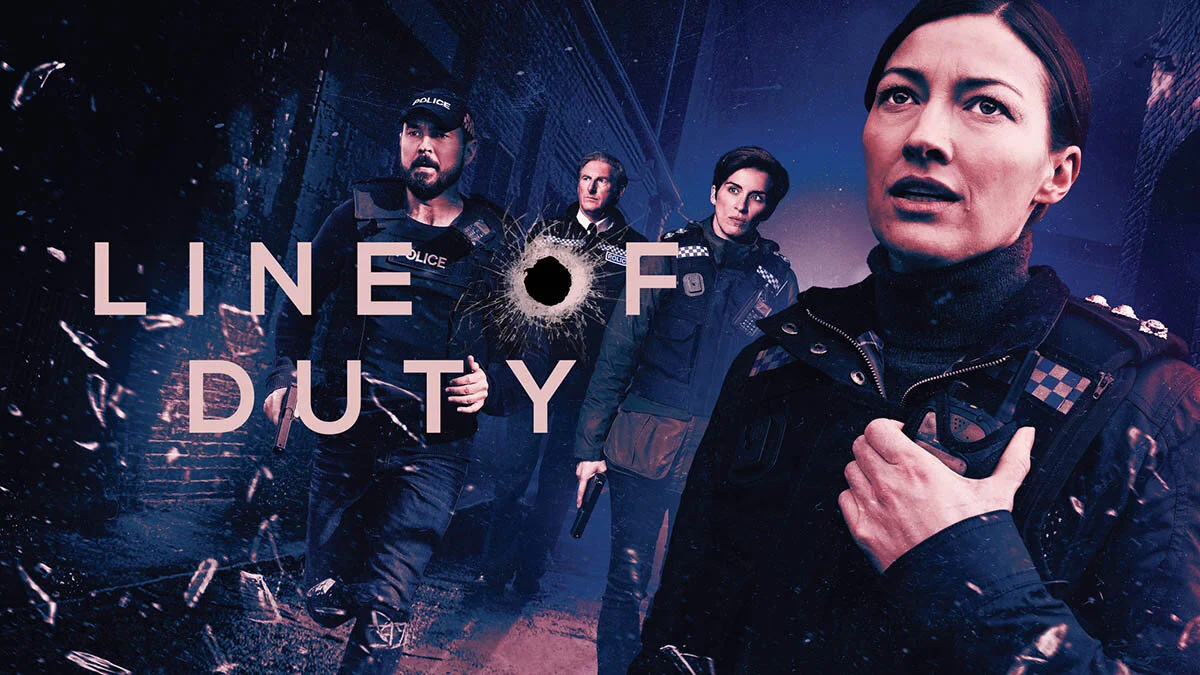
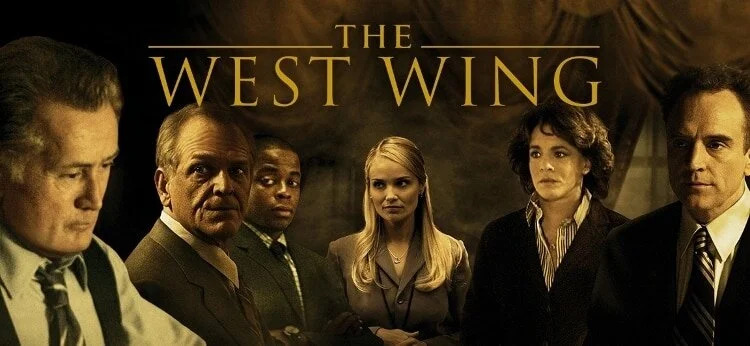
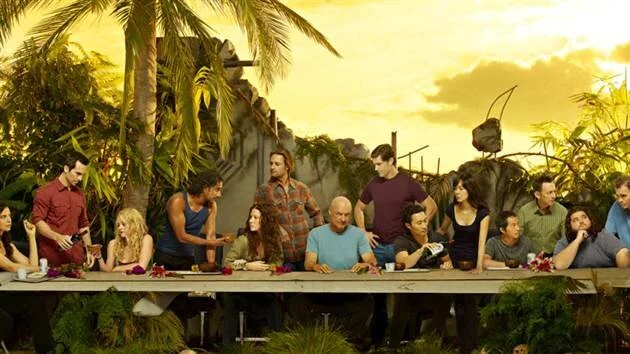
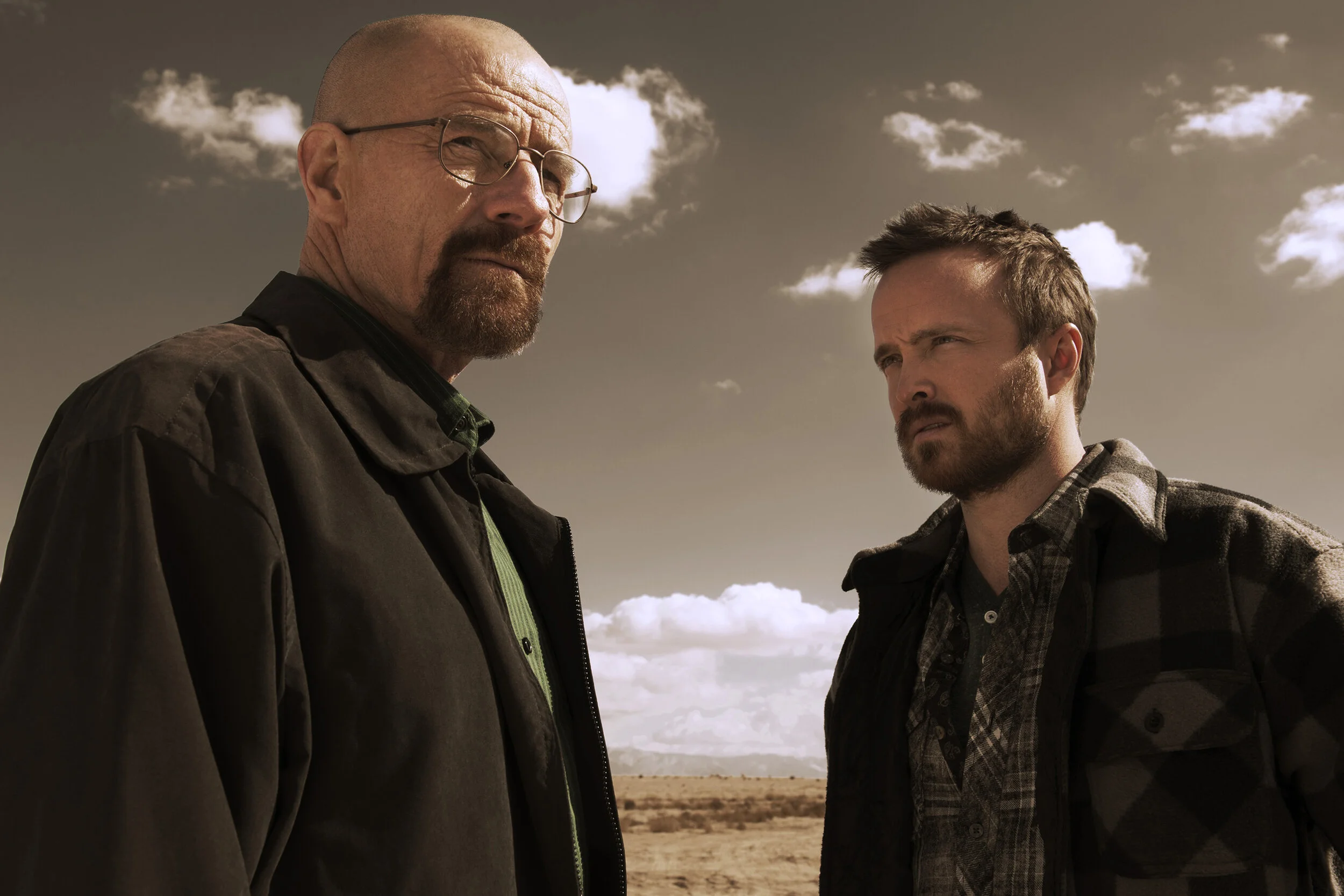
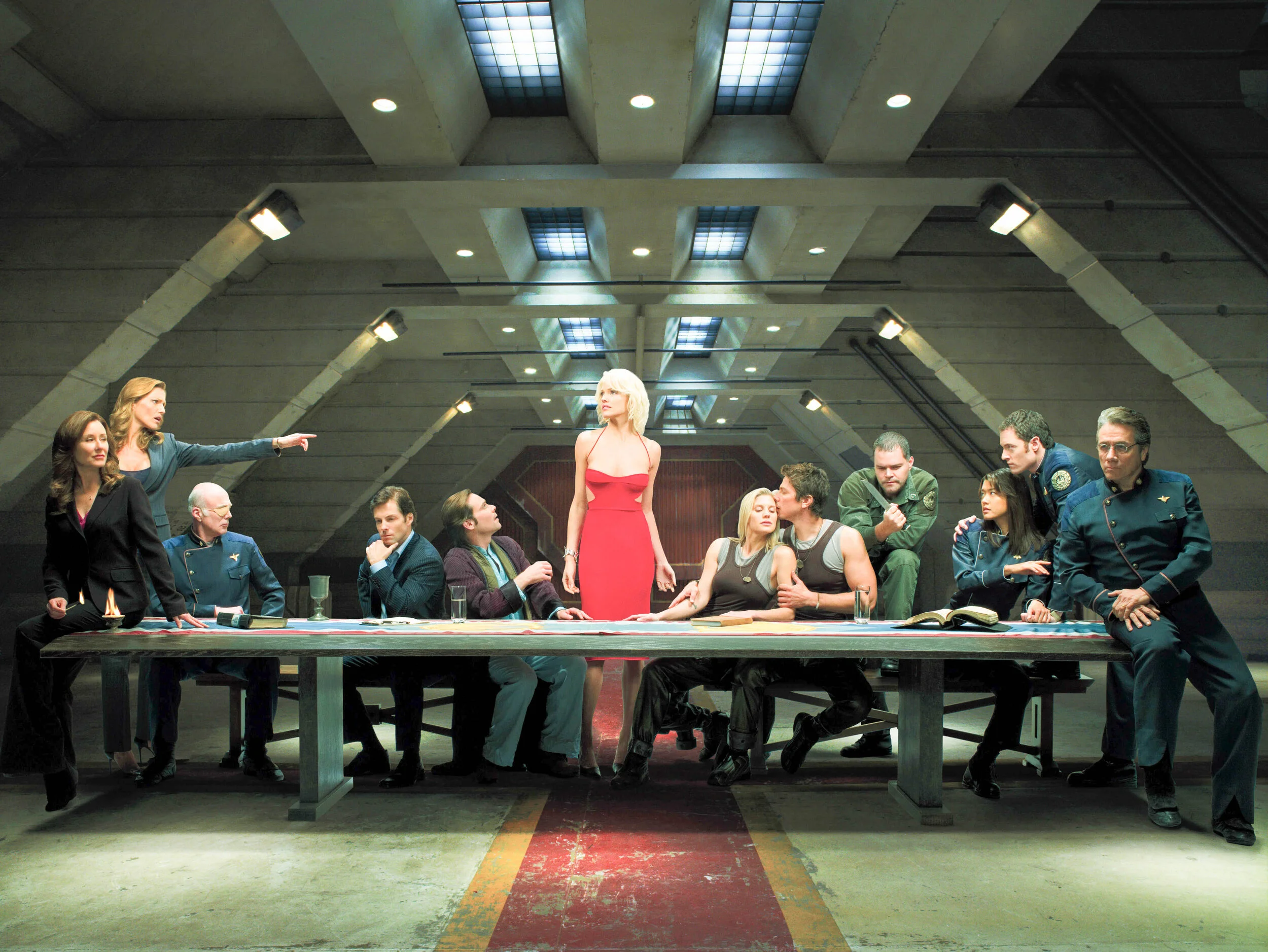
Breaking Bad came to an end. So did Lost. Battlestar Galactica. Chuck. Game of Thrones. The West Wing. And now (at least it appears most likely that it is the end) it’s Line of Duty’s turn. Our journey and time spent with DI Steve Arnott (Martin Compston), DI Kate Fleming (Vicky McClure) and Superintendent Ted “Jesus Mary Joseph and the Wee Donkey” Hastings - yes, like the battle (Adrian Dunbar) seems to have come to an end, much like it did with Walter White & Jesse Pinkman, Jon Snow & Daenerys Targaryen, Jack Shepherd & Kate Austin, Admiral Adama & Starbuck, Josh Lyman & CJ Cregg and Chuck Bartowski & Sarah Walker before them.
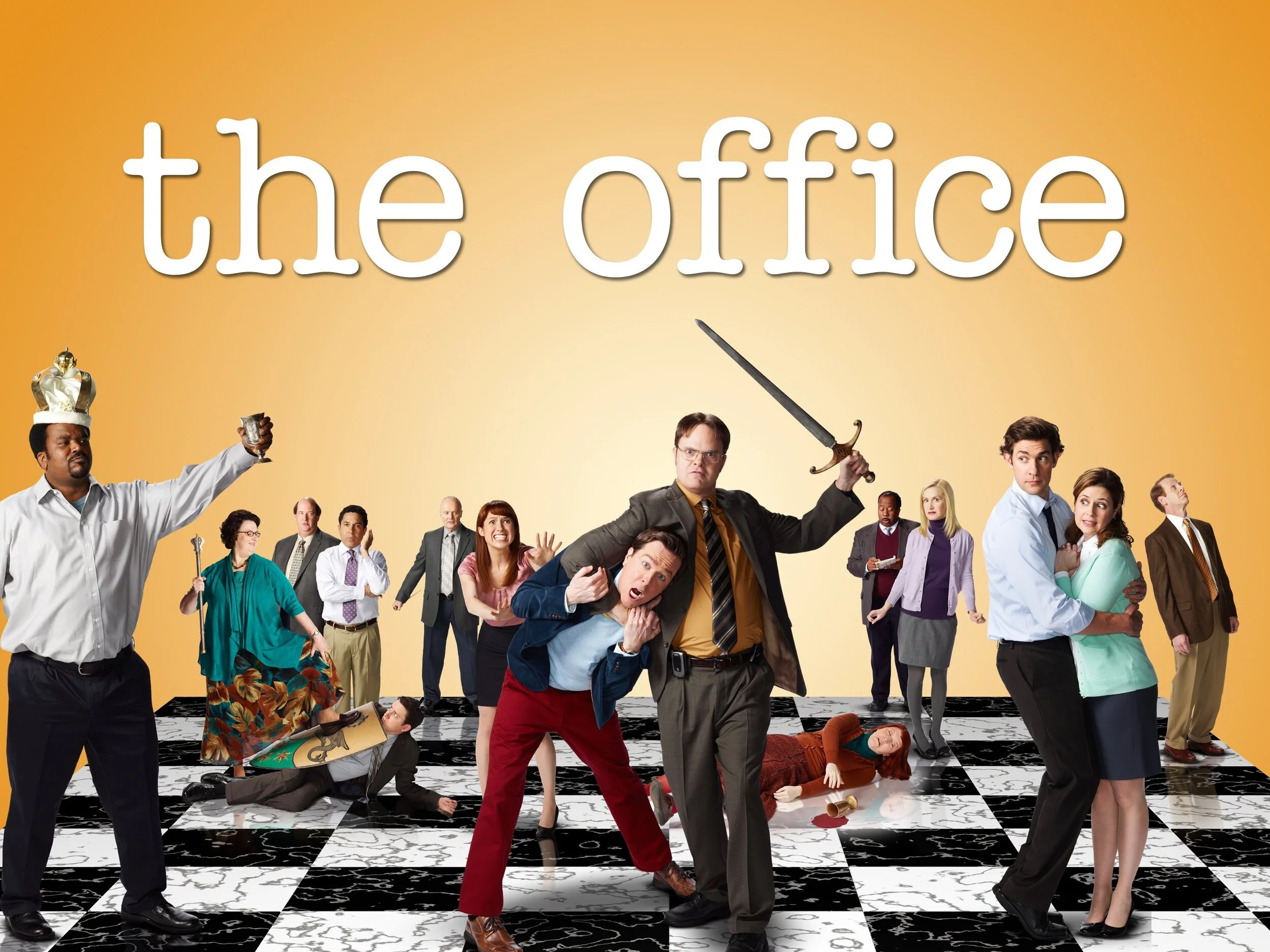
These are just a few of the series that I love (and there are many - I’m looking at you The Office). which came to a natural, deliberate and creator-led end, and no doubt you’ll look at that list and have your own thoughts about how you felt a certain story wrapped up. If there is one thing that every final season has in common it’s that they don’t please everyone - they are almost always, and almost exclusively, divisive.
Which I understand - each TV series, each story and each group of characters means something different to everyone who invites them into their lives using that wonderful window into another world that we all point our furniture at (which reminds me, Friends is another one!) and spend a lot of time with either escaping, connecting or learning.
But final seasons, and final episodes in particular don’t define the entire show; nor does it define what it means to you. They especially don’t need to be seen as a bad thing nor do they need to get fans so angry. Even if you don’t exactly dig how a character’s arc ended, what the answers to the mysteries are or how a story wraps up - try to see the positives and appreciate the fact that it’s ending on it’s own terms in the first place. Sure, it’s always a bit of sad thing when your beloved series ends, but at the same time it may be for the best. Here’s a few reasons why we should maybe look a little kinder on those difficult final seasons, and those who bring them to us. After all, they’ve already given us a lot.
BEGINNING, MIDDLE AND……END?
Stories need to end. It’s that simple. Stories, by design, have a beginning a middle and an end. And as much as I love television and the way in which it unfolds stories over an extended period of time, whether it be two seasons of Life on Mars, six of Lost, seven of The West Wing, nine of The Office (US) and, of course, six of Line of Duty, the best thing about these series are the fact that they are a complete story. A show that runs without end is never a good thing because the audience will inevitably grow out of it, or it will change so drastically that it won’t be the same series it started out life as. Even worse, it could stutter and declines in quality so much that it eventually peters out, or it could be one that gets unceremoniously cancelled without a proper conclusion.
The absolute best thing a television series can do is end, or at least be given the opportunity to end in a way that leaves us wanting more. Just look at the UK version of The Office or the constant calls for a Chuck or Friends movie. Series that end on their own terms always leave the fans wanting more. They bow out before they become stagnant, before it becomes a chore to watch them. When a great series leaves our screens, we all know we’re going to be sad to see it go: but that’s a good thing. A series should leave us when we still want to see more of it. With Line of Duty, we inevitably want to spend more time with AC-12 - and who knows? But if that’s the way the series goes out - it’s been a great run and it ends on a high as a true record-breaker with (in my opinion) a satisfying conclusion.
GETTING THE ANSWERS….OR MAKING UP YOUR OWN
Whether it’s a series that has teased an ever expanding web of mysteries, or whether it’s finding out the final fate of your favourite characters, these long-awaited answers to long-gestating questions and character arcs are always going to one of the biggest challenges a final series will face. By the time it comes round, you’ve probably already spent years pondering those answers yourself and coming up with one that would satisfy you completely.
Any final season worth it’s salt should give an audience those answers - or at least attempt to. A series may conclude with a certain degree of ambiguity, or it may tie it up in a neat bow leaving no room for manoeuvre. No matter which way a show goes, both endings provides their own set of answers in different ways. Either we’re given all the answers directly or we have enough information and clues which afford us the opportunity to make up our own. Personally, I’m a big fan of both types but I do prefer the latter ever so slightly. It involves the fan in the storytelling process and gives a certain amount of control to the viewer. Each of our answers will be different depending on our relationship with the show and that’s something unique - it will vary from viewers to viewer. Ultimately though, answers to big questions or fate of certain characters tend to be answered in the final season, for better or worse. And that’s great. It’s a lot more than most shows get the chance to do and, as endings are possibly the most difficult landings to stick, I applaud any writer who can produce an ending either satisfying or divisive (whether on the hoof or executing their long-awaited vision) and leaves it all on the table. It’s a remarkable feat.
REWARDING THE FANS
A final season that wraps up the story is almost like a thank you for the loyal fans who have stuck with it. Rather than the show disappearing off screens or being cancelled with no real ending, those who have remained with the series get to see it come full circle and are given the chance to give it a proper send-off. The dedication of the fans pays off in a final season, with that built-up knowledge being called upon with references or call-backs to previous seasons providing loyal fans that little bit extra. They build and rely upon prior knowledge of the series and pay that off in the final season or final episode. It strengthens the relationship between viewer and series and transcends it beyond mere television.
Again, a series ending is not a bad thing. It’s the best thing. It makes each episode a little more special and besides, an ending is nothing but a new beginning. The story and characters will live on, whether we get to see what happens or not.
THE STAKES HAVE NEVER BEEN HIGHER
All bets are off with a final season - there is no show to come back to and no story to continue - meaning absolutely anything can happen and I absolutely love that. This can make for some incredibly bold, inventive and original storytelling - but it can also creates the opportunity for the most emotional and tense storytelling so far. Whenever I knowingly enter into the final season of a long-running series, I always find it a more nerve-wracking and emotional experience. Everything is much more heightened in a final run of episodes. When a character is in danger, you really feel that this time they are in danger. When characters are having emotional heart-to-hearts, dropping witty one-liners or being rewarded with satisfying conclusions to their arcs, the tears, laughter and cheers are even bigger and louder than before because it’s one of the last times we will spend with these characters in this story and they often get what they deserve or, tragically, don’t deserve.
Personally, this is perhaps the best storytelling outcome of a final season - the writers can go places they have never dared go before and it is nearly always a genuine thrill.
MAYBE IT’S US, NOT THEM
Finally, but by no means least, perhaps one of the biggest reasons for the divisive reactions to series finales is down to the fact that we simply do not want them to end.
Storytelling is transformative. It can help you escape, it can help you remember, it can help you forget and it can help you grow. And most of the time, we will craft routines and traditions around sitting down and watching your favourite show and spending time with your favourite characters. So when it’s time for these to end, it’s not just the story and the characters you are saying goodbye to. You’re saying goodbye to the traditions made with those you watch it with. You’re saying goodbye to new memories made with those you watch it with. You’re saying goodbye to routine. Above all, you’re saying goodbye to something that’s been a constant part of your life. Something that you could always rely on being there. Whether you’ve had a bad week at work and you want to escape into a specific world or spend time with specific characters or whether you’ve had a great day and watching your favourite TV series with your favourite person (or people) will cement the memory - it’s a constant you have relied on. It’s the end of an era.
But guess what? Just because it ends once, doesn’t mean it ends forever - you can rewatch it at different points in your life when you need to and want to, or when you are looking to remember a time in your life or wish to create new memories.
A TV series ending just makes it more special. It’s OK if you don’t exactly dig it. But a final season is for the better. And we should all learn to love them a little more.

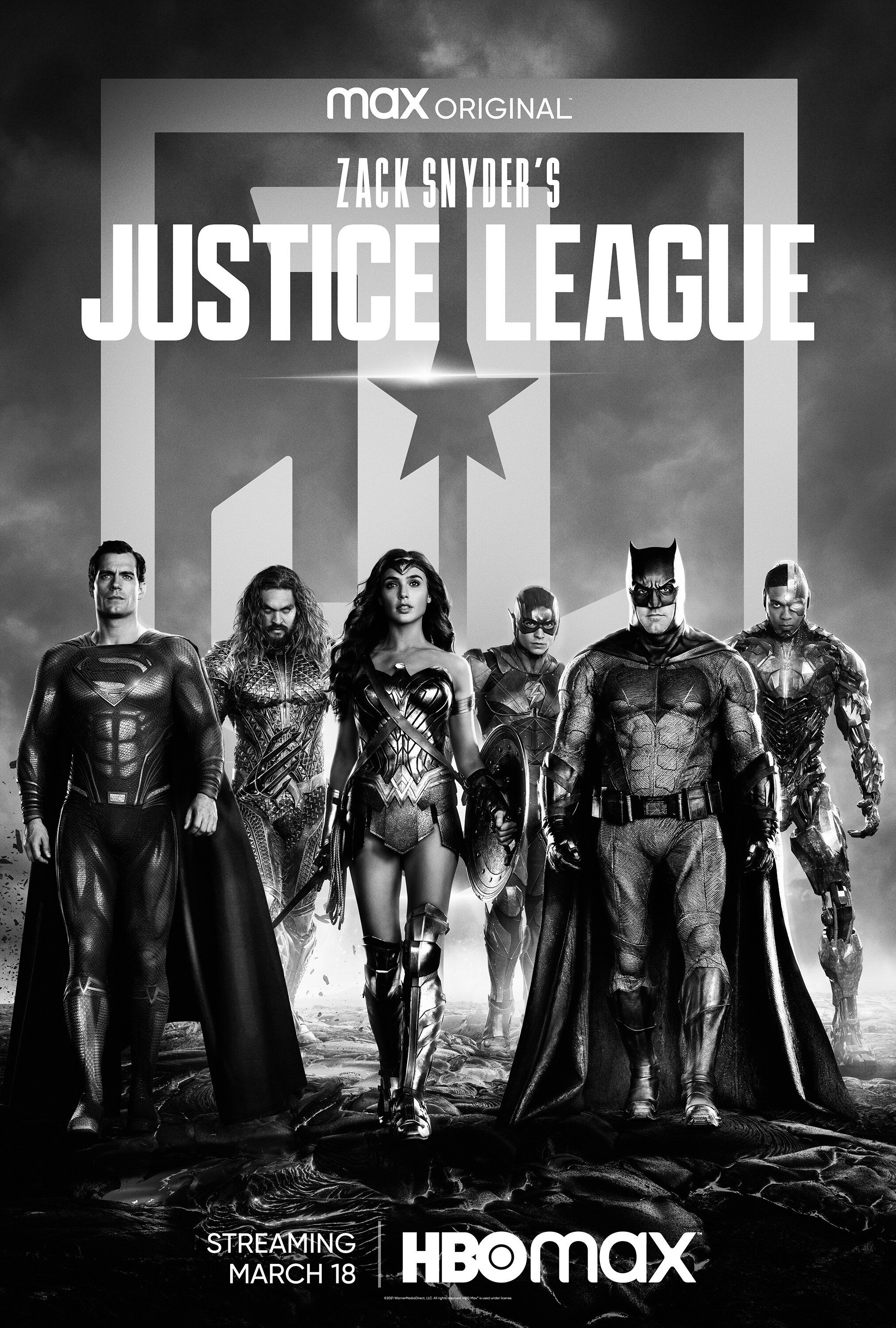
Zach Snyder’s Justice League (2021)
Much has already been written about Zach Snyder’s Justice League, and the version released in 2017 by the studio, and most of which has been written by those perhaps far more eloquent in the matters than I am.
Much has also been written of the fan campaign to re-instate the Snyder Cut which, at it’s best, was a large group of passionate fans wishing to see the work of a filmmaker they loved, and rallying around to send support at a time when it was needed most.
At it’s worst, and, hopefully, it’s minority, was a vitriolic and problematic attack of trolls akin to that of a poorly behaved child, stampeding in a rage after being told no. The key difference is, that the child does not know any better; they haven’t learned yet. The “fans” do; or at least they should.
But that’s not what this is about; for pieces discussing the manner in which the Snyder Cut came about I’d recommend these pieces by NBC News, The Ringer and The Verge, respectively. No, this is just a wee review, of the film as it stands on it’s own; away from the noise and indeed separate from it’s previous incarnation. After all, a film should be viewed on it’s own merits, shouldn’t it? Anyway, onto the review.
With no expectations, or previous film to compare this with, Zach Snyder's Justice League is a true epic; and I don’t just mean in terms of the run-time. I mean epic in every sense of the word.
Languishing in every possible detail, it dives deep into the characters, the god-like mythology and the darkness of DC, with the pace akin to a long novel, which is perhaps it's greatest strength. Ironically, for a franchise that has arguably rushed to catch up with Marvel, without putting the time or effort in, to get to their superhero team up, this movie doesn’t rush at all. It invites you in, to settle down, and immerse yourself in a world of gods and heroes - and the correct way to make tea.
Of course, it does takes a number of detours - oftentimes in slow motion - and there are a few story beats and character moments that feel unearned; perhaps lifted from the comic books without necessarily having any legitimate reason to be there.
Overall though, it's a beautifully shot, darker take on a superhero epic, and one that makes me mourn for Zach Snyder's vision for the characters; a vision that I never really cared for in the first place, but one in which I now find myself wanting much more of.
Other opinions of course, are available, and are as equally valid as each other. For my money though, Zach Snyder really did the league justice; and it’s one I very much enjoyed.
WandaVision (2021): Series Review
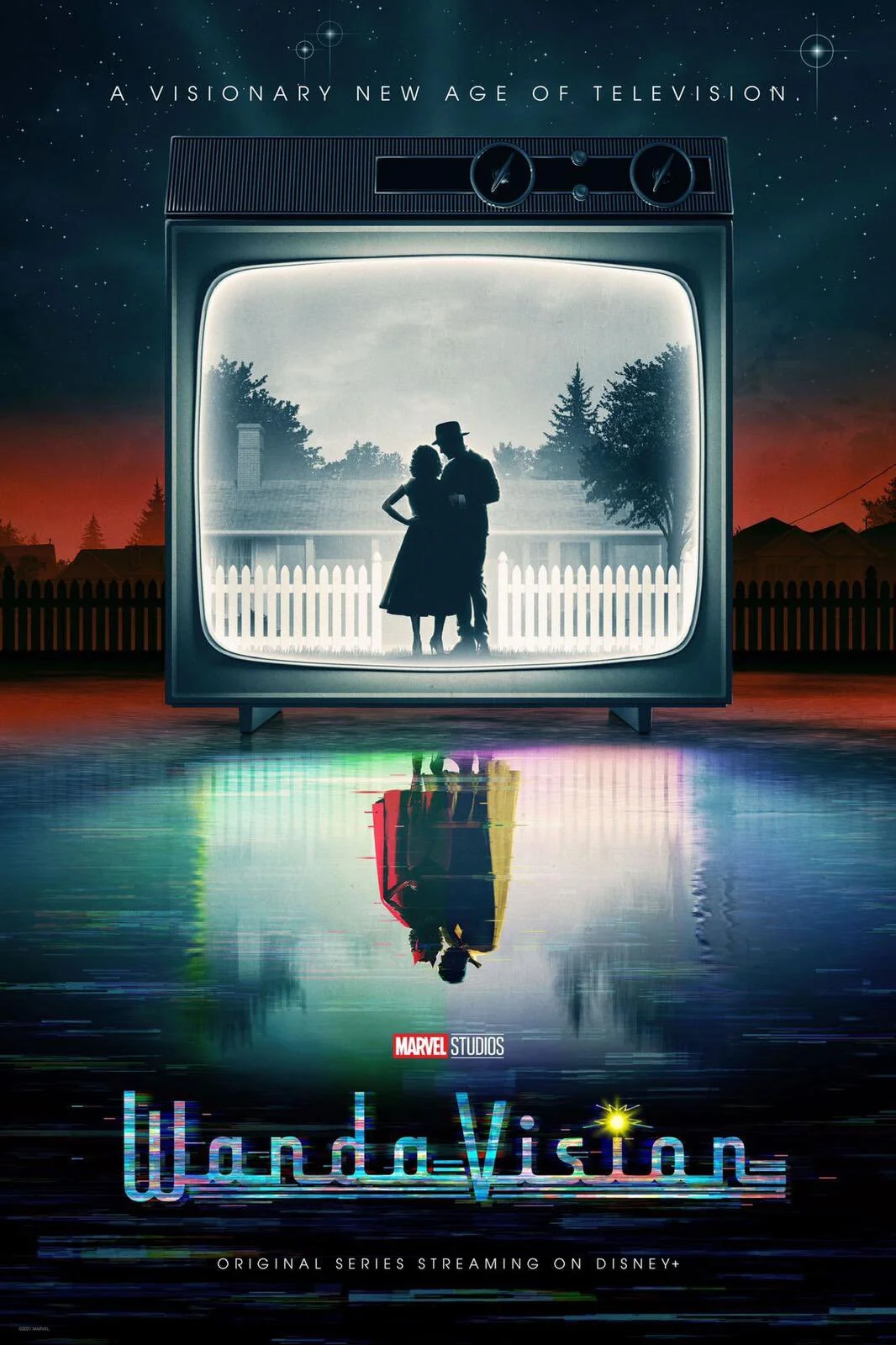
Art by Matt Ferguson
@Cakes_Comics
NAE SPOILERS is the general rule here, but if you haven’t seen the finale, I’d just avoid reading this completely. But mon back in after you’ve watched it
WandaVision. Wow.
Heading into this series, I was excited, of course I was - a year without a single story set within the MCU would have made me excited for even a Howard the Duck series (sorry Howard) - but it was not necessarily the show from the upcoming Marvel slate I was most excited about.
And how deeply flawed that thinking was. Because WandaVision is nothing short of a masterpiece.
What begins as a love letter to sitcoms and a mysterious story about two Avengers, becomes something much more. Dare I say, it becomes something more - whisper it - important?
The best stories are those that allow you to dive in and escape from the real world with a great story and characters; the very best are those that give you the escape, plus something a little bit extra. And WandaVision does exactly that.
Amidst the mystery, canned laughter and capes, is the beating heart of the series and one that will earn it a place high atop people’s Marvel watchlists, and deservedly so.
It's a true meditation on grief, trauma and love. And one that will bring comfort, understanding and catharsis for many; earning multiple repeat viewings for that very reason.
It really is a testament to the boldness of Marvel that it tackles such a topic in a tent-pole series with subtlety and nuance, bringing a deeper meaning to the story and a deeper understanding of Wanda Maximoff, and of course, Vision. Not only is the show a strange - with a small s - concoction at the outset, the heavy theme of loss runs as an undercurrent throughout, but its handled with a deftness and lightness of touch that makes it land with the audience so effectively and so emotionally.
However, if you’re not one to peel back the layers, and dig into what it all means and why you’re reaching for the tissues to dab your eyes, then it stands on its own as a true spectacle.
And a beautiful one at that. Skipping through the decades, the series is stuffed with an ensemble full of rich characters shot through with humanity (even the super & synthezoid ones), depth and warmth. And when the ante needs upped and the action kicks off, it is proper, blockbuster movie spectacle. To say that WandaVision has changed the landscape for TV would be an understatement.
Led by an outstanding, pitch perfect pair of performances from Paul Bettany and Elizabeth Olsen, the entire cast are heavyweights knocking it out of the park with every scene; Teyonnah Parris, Randall Park, Kat Dennings, Josh Stamberg and Kathryn Hahn are a delight (to name just a few), as are the entire town of Westview and beyond.
Much of the plaudits and praise will be given of course to Bettany, Olsen and Marvel’s guiding hand Kevin Feige, and deservedly so. But equal credit and adoration should be given to the writers, led by head writer Jac Schaeffer and series director Matt Shakman for delivering such a beautiful, gut-punching and thrilling story.
Throughout the series, the dialogue given to Vision alone, and shared to Wanda as the final scenes approach, is nothing if not modern day Shakespeare. The line uttered by Vision in episode 8 alone - “but what is grief, if not love persevering?” is truly one of the most poetic lines ever committed to screen; and is an idea that resonates so deeply. So much can be said with a single line and what is said is enough to be both absolutely crushing and philosophical all at the same time. Truly, wonderful writing.
I’m excited for the new stories Marvel have to give us, but I’m equally more excited to re-watch WandaVision again.
The shows to follow, and indeed the movies, now have some very, VERY, big shoes to fill. And I'm sure they will.
Because in Marvel we trust.
And I can’t wait to say hello again soon.
The Meg (2018)
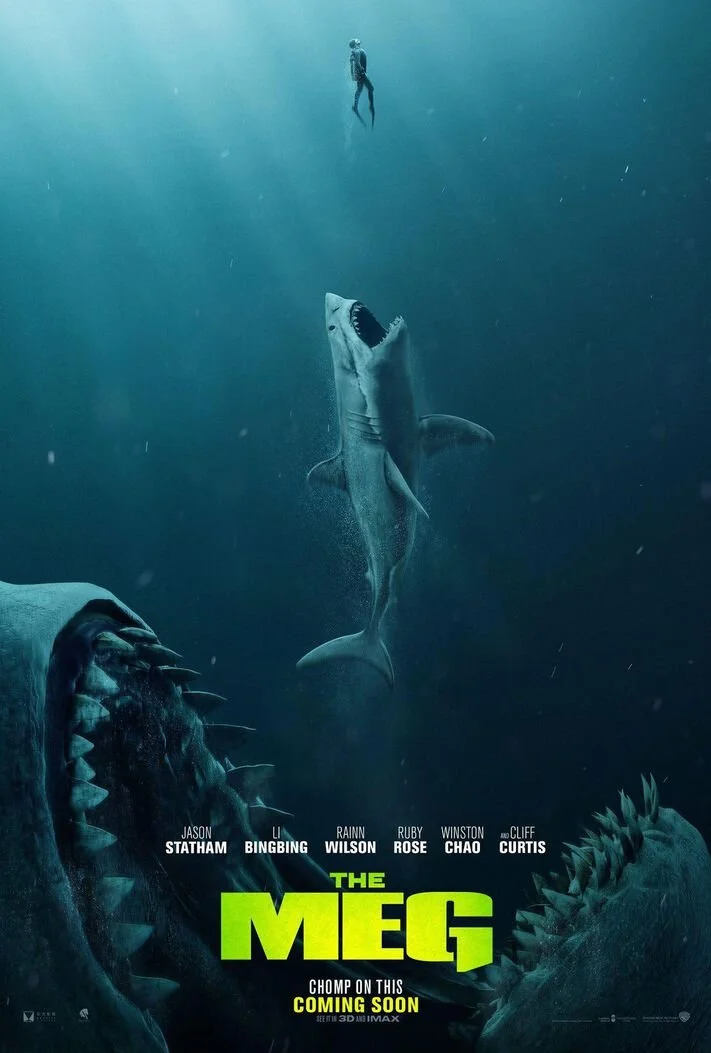
A big blockbuster B movie with a bundle of thrills, fun, dumb, edge of the seat action that will have you paddling your feet along with The Stath.
A likeable bunch of characters, and a script sprinkled through with quips and alhumour. Doesn't take itself too seriously, but takes itself seriously at the right points.
It is exactly what you want it to be; a popcorn movie about a big fuck-off shark.
Roll on the Ben Wheatley directed sequel.